Walking While You Work: The Sneaky Fitness Revolution
Walking pads let you burn calories while working from home. This low-impact fitness trend helps busy professionals stay active without gym time.
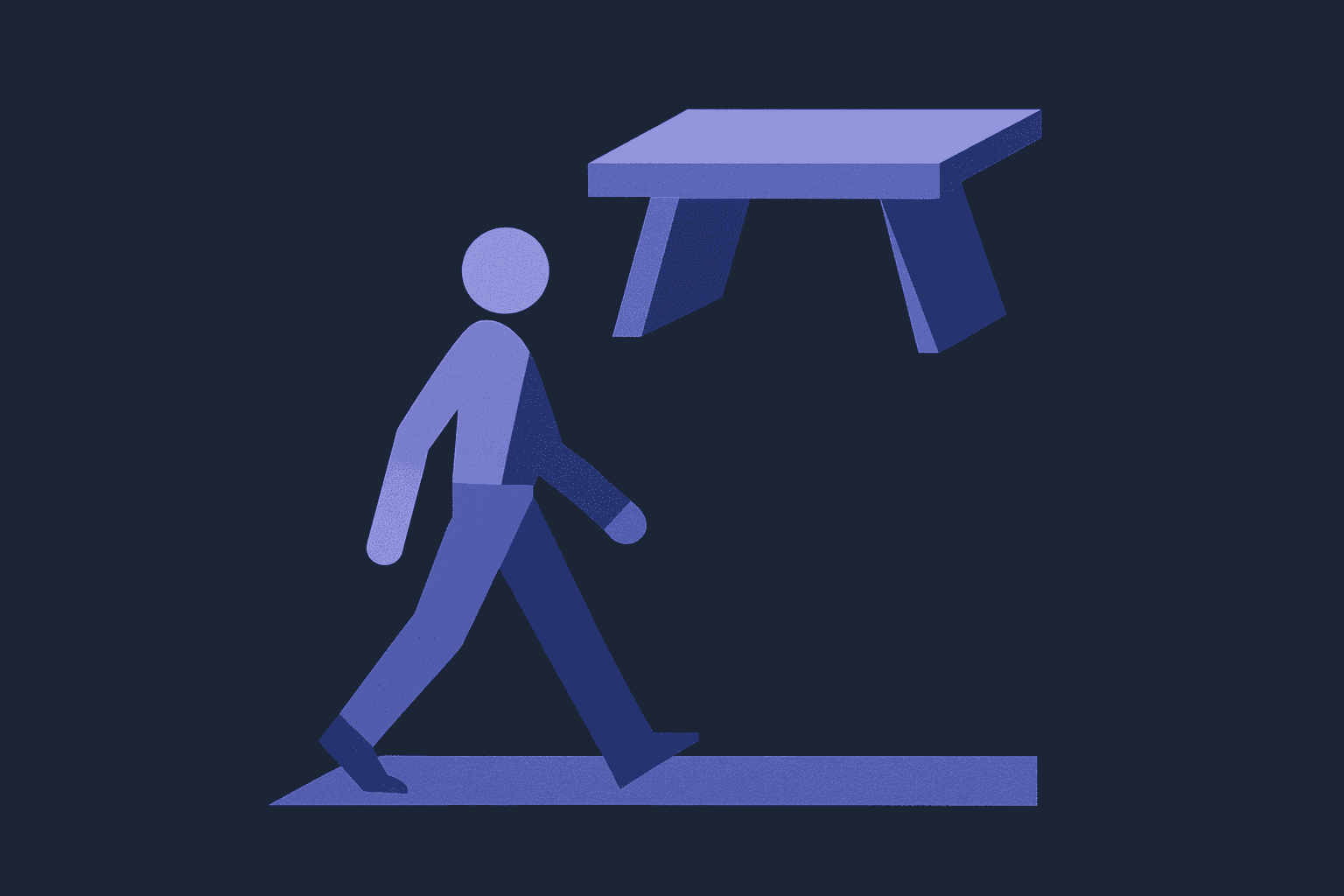
The rise of walking pads represents something far more significant than just another fitness gadget—it's a subtle rebellion against the artificial separation between work and wellness. As someone who's watched countless fitness trends come and go, I can confidently say this one actually makes sense because it doesn't ask you to carve out special time or transform into a different person. It simply suggests that maybe, just maybe, the human body wasn't designed to sit motionless for eight hours straight while staring at screens.
The Beautiful Simplicity of Motion
Walking pads strip away everything unnecessary from the traditional treadmill experience. No massive console, no preset programs demanding you sprint up virtual mountains, no intimidating gym atmosphere where everyone seems to know exactly what they're doing. Just a flat surface that moves at whatever pace feels right while you answer emails or join video calls.
The genius lies in removing barriers rather than adding features. Most fitness equipment fails because it demands too much—too much space, too much time, too much commitment. Walking pads succeed by demanding almost nothing while delivering something substantial: consistent daily movement that compounds over weeks and months into genuine health improvements.
Numbers That Actually Matter
Let's talk calories without the usual fitness industry dramatics. A typical office worker walking at 2 mph while working burns approximately 100-150 extra calories per hour. Over an 8-hour workday with breaks, that's potentially 600-800 additional calories burned. Not by suffering through high-intensity intervals or mastering complex movements, but simply by walking while doing what you were already doing.
The metabolic impact extends beyond simple calorie math. Regular low-intensity movement throughout the day helps regulate blood sugar, improves circulation, and maintains a slightly elevated metabolic rate. Unlike the spike-and-crash pattern of intense gym sessions followed by prolonged sitting, walking pad use creates a steady state of gentle activity that your body actually prefers.
More importantly, this approach sidesteps the compensation effect that sabotages so many exercise programs. When you exhaust yourself at the gym, your body often responds by moving less throughout the rest of the day and increasing appetite. Walking at a comfortable pace while working doesn't trigger these survival mechanisms—it just adds movement without drama.
The Productivity Paradox
Here's where things get interesting for those still clinging to outdated notions of workplace productivity. Studies consistently show that light physical activity enhances cognitive function, creativity, and focus. The walking pad transforms this research into practical application, turning theoretical benefits into daily reality.
Many users report improved concentration during walking sessions, particularly for tasks like reading, brainstorming, or participating in meetings where they're primarily listening. The gentle rhythm of walking seems to occupy just enough physical bandwidth to prevent mental restlessness without interfering with complex thought processes.
Of course, not every task pairs well with walking. Detailed design work, precision typing, or activities requiring fine motor control might need stationary periods. But the beauty of walking pads lies in their flexibility—you can start and stop as needed, adjusting your movement to match your work demands rather than forcing your work to fit around rigid exercise schedules.
Breaking Free from Fitness Theater
The fitness industry thrives on making simple things complicated, selling us elaborate solutions to manufactured problems. Walking pads represent a refreshing return to basics: humans need to move regularly, and modern life makes this unnecessarily difficult. Instead of accepting this disconnect, walking pads bridge the gap with elegant simplicity.
This shift matters because it acknowledges reality instead of fighting it. Most people won't consistently wake up at 5 AM for gym sessions. They won't meal prep perfectly portioned containers every Sunday. They won't transform into different people with different priorities. But they might walk while checking email if you make it easy enough.
The Long Game of Sustainable Movement
Sustainability in fitness doesn't come from motivation or willpower—it comes from integration. Walking pads excel here because they don't require you to be a fitness person or adopt a fitness identity. You can be exactly who you are, doing exactly what you do, just with gentle movement added to the mix.
The health benefits accumulate quietly: improved cardiovascular health, better posture, increased energy levels, enhanced mood, and yes, gradual weight loss for those seeking it. But perhaps more valuable is the mindset shift from viewing exercise as a separate activity to seeing movement as a natural part of daily life.
This approach aligns with how humans actually lived for most of history—not in designated exercise sessions but through continuous low-level activity throughout the day. Walking pads don't revolutionize fitness so much as help us return to a more natural relationship with movement, adapted for modern circumstances.
Making It Work in Practice
Success with walking pads depends on realistic expectations and gradual implementation. Start with just 30 minutes per day at a comfortable pace, perhaps during your easiest work tasks. Build slowly as your body adapts and you identify which activities pair well with walking.
Invest in proper footwear—your everyday shoes might not provide adequate support for hours of walking. Consider a standing desk converter if you don't already have an adjustable desk, as proper ergonomics become even more important when adding movement to your workstation.
Most importantly, resist the urge to turn this into another extreme fitness pursuit. The moment you start tracking steps obsessively or pushing for faster speeds, you've missed the point. The goal is sustainable, enjoyable movement that enhances rather than dominates your day.
The walking pad revolution succeeds not through innovation but through subtraction—removing barriers, eliminating excuses, and making movement so accessible that not moving becomes the harder choice. In a world that profits from complexity, sometimes the most radical act is embracing simplicity.
Ready to start your journey?
Track your weight, reflect weekly, and get AI-powered insights to help you reach your goals. Start your 14-day free trial today.